
Close


Has the looming idea of Summer bikini beach-days got you searching for the nearest diet quick-fix? Perhaps you have stumbled upon the “Dukan Diet” in your web trawling and you are considering embarking on this diet? Read through the next installment on our “Which Diet is Best for Now” Blog series to find out the pro’s and con’s associated with the Dukan Diet as well as an overview of the diet itself.
The diet designed by the French doctor Pierre Dukan consists of 3 phases. Although he strongly encourages all participants to complete all three phases, he has admitted that only approximately 50% of all patients do so.
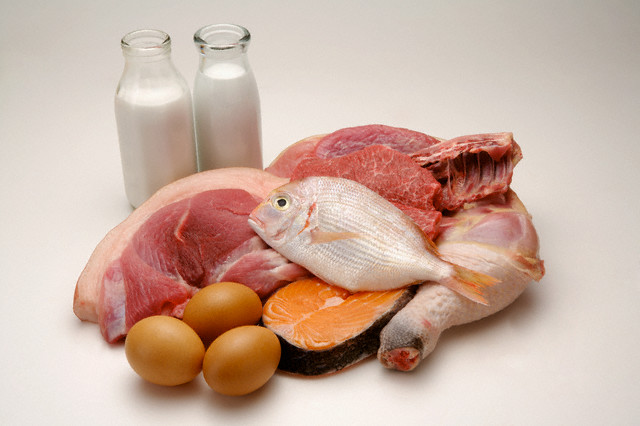
PHASE ONE also called the Attack phase
This phase can vary between 5 -10 days and patients are allowed to ONLY eat protein foods from animal origin called “pure protein foods”. Lean beef, veal (no pork and lamb), offal, seafood, all types of fish, eggs, all poultry (except duck and goose) and low fat dairy. The protein food needs to be lean (no visible fat) and no added salt to the meals is also recommended. Individuals can eat as unlimited amounts of these foods at any time of day. It is also compulsory to drink of a minimum of 1-2 litres of water and consume 1-2 tablespoons of oat bran made into a pancake on a daily basis.
PHASE TWO also called the C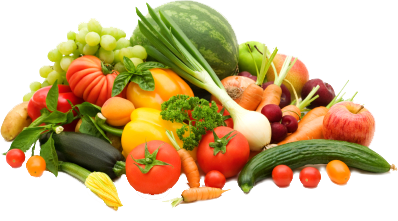 ruise phase
This phase is characterised by the continuation of eating the attack diet foods while adding the following vegetables – raw or cooked and in any quantities, at any time of day: tomato, cucumber, radishes, spinach, asparagus, leeks, green beans, cabbage, mushrooms, celery, fennel, all types of salad leaves, aubergines, courgettes, peppers, carrots and beetroot. Through this phase he recommends the alternating of a pure protein day with a pure protein and vegetable day until the desired weight is reached.
PHASE THREE also called the Consolidation phase
This is the maintenance phase guiding individuals to include more foods into the diet without eating in excess, which may lead to regaining the weight lost. How long this phase lasts is calculated on how much weight has been lost where 5 days have been allocated to every 0.5 kg lost. Therefore, if you have lost 10 kg you will have to follow this phase for 100 days. This phase is based on the foods of the previous phases with the addition of one portion of fruit (apart from bananas, cherries and raisins), two slices of whole meal bread, 30 g of cheese a day and two portions of starch a week e.g. cous cous or potato or pasta. The diet also recommends two “celebration meals” a week, but without fail one day a week must be restricted to eating pure proteins only.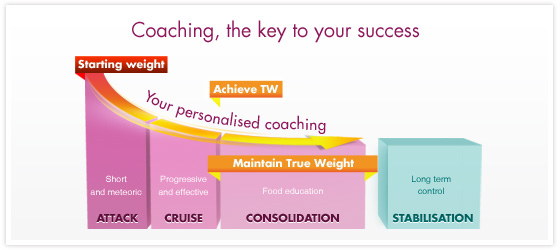
The Pro’s of this Diet:
 The cons of this Diet:
The best option for an individual to successfully lose weight is to contact a registered Dietitian. The Dietitian is able to provide essential information regarding the nutrition principles of weight loss as well as an individualized eating plan that meets lifestyle behaviours, income and cultural preferences. A varied and thorough 7-day cycle menu, comprehensive shopping lists and recipes facilitate practical implementation for the long-term. The monitoring process of weigh-in sessions provides accountability as well as solutions to the barriers to compliance, and these are the two vital requirements for weight loss and maintenance in the long term.
